Subscribe and receive email notifications of new blog posts.
 RSS Feed
- 2026 | 19 Posts
- 2025 | 24 Posts
- 2024 | 24 Posts
- 2023 | 24 Posts
- 2022 | 24 Posts
- 2021 | 24 Posts
- 2020 | 25 Posts
- 2019 | 23 Posts
- 2018 | 24 Posts
- 2017 | 25 Posts
- 2016 | 24 Posts
9
Why Negotiation Skills Are So Important in 2024
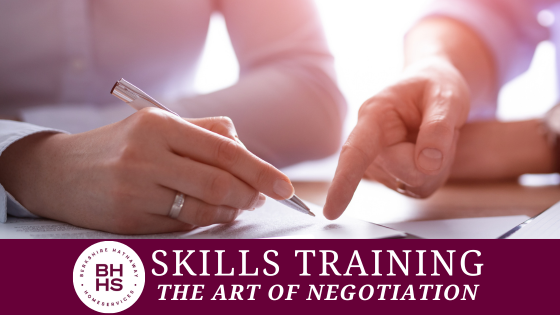
Negotiation has always been crucial to real estate but has become even more important in recent years. Both buyers and sellers feel more confident when they have an agent they know is skilled in negotiation. One reason why Homesale Realty agents are so successful is their ability to use this important skill.
Any real estate agent must represent the customer's interests in every step of the transaction. Some real estate transactions don't involve much negotiation: there's a meeting of the minds on price and each party's obligations early on. But in most cases, negotiation makes a difference.
Negotiation doesn't just impact the bottom line amount a buyer pays or a seller earns. It helps your customers feel grounded and capable of dealing with whatever might come their way throughout the process. And that creates an asset for your brand, setting you apart from the others in your field.
Of course, negotiation skills don't come naturally to everyone. Instead, they have to be honed.
Here's how to make negotiation work for you and your clients, even if it is new to you:
- Build Trust with Your Clients
Before negotiation begins, you can start on the right foot by making sure your clients trust you. Your clients rely on your expertise, so they're more likely to take your advice if they already see you as someone who has their best interests in mind. Listening to everything they say and setting clear expectations can both help. - Emphasize Facts and Figures
As a real estate agent, there are times when you will provide some emotional support for your clients. When it's time to hit the negotiating table, however, it's important to focus on the facts. Most real estate negotiation is based on hard dollar figures and the factual justifications behind them. No matter how strongly your client feels, the other side will need to see your reasoning (and ultimately agree with it) for you to reach your goals. - Conduct All Real Estate Negotiation in Person
When negotiation is conducted over video chat or by phone, the person making the bigger "ask" is at a huge disadvantage. With that in mind, you're almost always better off negotiating in person. Even if you have a lot of distance between your positions, you're more likely to make a real human connection in person. That can be the difference between continued negotiations or having to start all over again. - Be Mindful of Your Body Language
During a real estate negotiation, strive to remain aware of your body language. Body language communicates a lot more than words alone. The core elements of good body language for negotiation are an upright, confident posture and firm eye contact. Don't slouch and don't "close" your body language by folding your arms. To get the right body language, consider watching yourself in the mirror while you practice your negotiation skills. - Be Prepared for Any Offer
Offers can be good, bad, or indifferent. They may not always even make sense! Be prepared for the full range of offers and counteroffers you might receive, and do what you can to prepare your clients in advance, too. Don't let anything come as a complete surprise. - Find Common Ground
Common ground is the basis of any negotiation, so consider all the angles when negotiating. By thinking creatively, you could find ways to meet the needs of the people on the "other side" without undercutting what's important to your own clients.
Contact BHHS Homesale Realty to find out more or get started today.